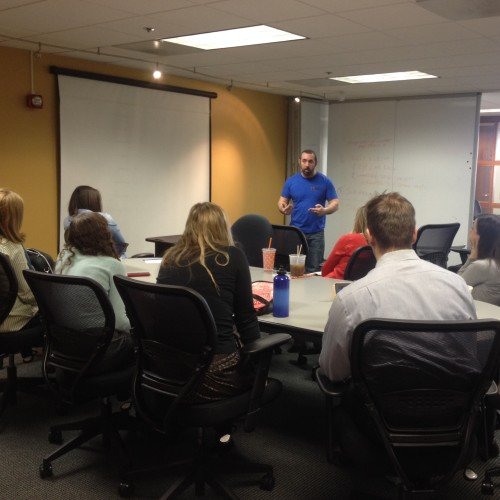
Corporate Training
Our corporate training services and packages look to inform employees about the processes that offenders use and the vulnerabilities they exploit.
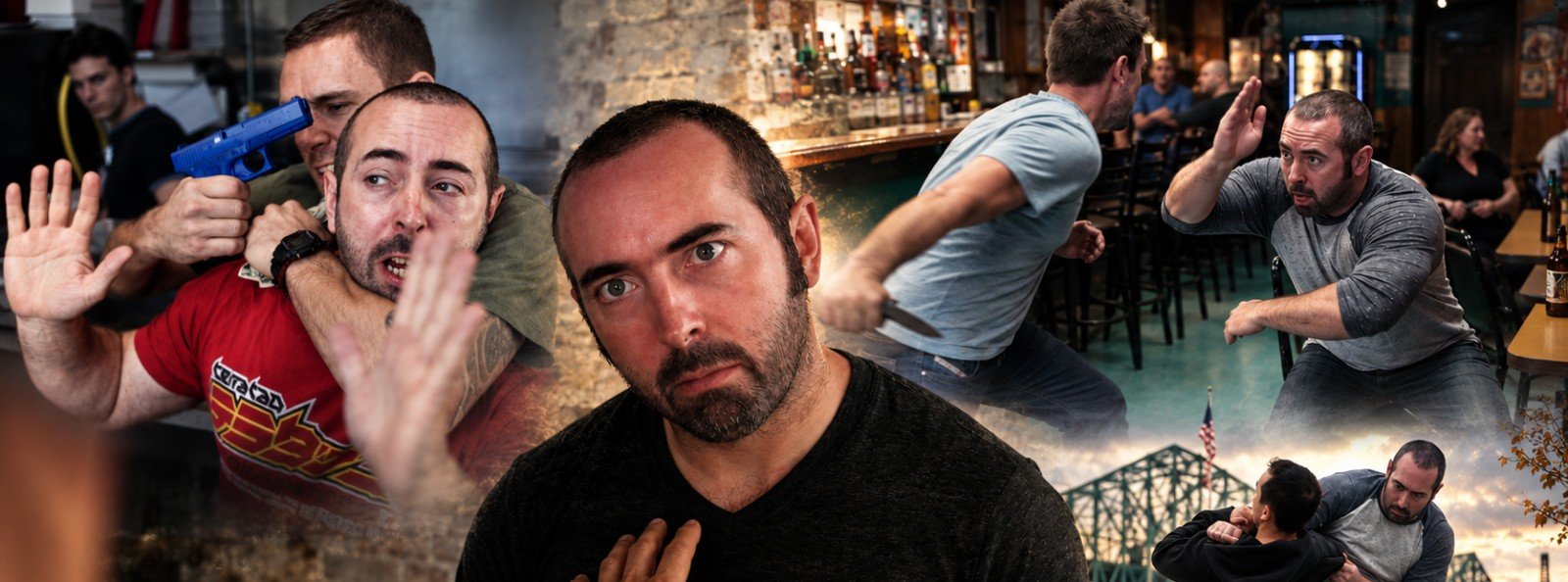
Practical, evidence-based training to help understand risk, recognize warning signs, de-escalate conflict and make better decisions in high stress situations.
Welcome to SEPS (Situation Effective Protection System) Boston! We say “Situations Determine Solutions” for a reason, and that’s because violence isn’t universal e.g., a road-rage incident, isn’t the same as a street robbery, and a street robbery isn’t the same as a sexual assault etc. Trying to treat them as the same, with one solution, is ineffective, and creates vulnerabilities. This is why it is important to understand what the common processes with each offense are, along with the differences. This means equipping individuals with the skills to understand violence and the appropriate responses rather than giving them a list/set of rules to follow.
You have probably come across an internet or social media post which is titled, something like, “The Ten Most Important Personal Safety Tips You Need to Know”. Sometimes the article will have a sub-heading such as “Written by a Cop” in order to convince you of its legitimacy. Regardless of the substance and the authority of the article, the method of thinking that it develops is the wrong one where personal safety is concerned e.g., whilst it may be a “good idea” to check a utility worker or workman’s ID (Identification) before letting them into your home, simply checking it doesn’t mean they’re not a threat. It’s relatively easy with a home laminator, and some downloaded images, to create something official, and most Salvation Army thrift stores have old utility worker overalls available to purchase etc.
The very people we are trying to protect ourselves against read the same memes with the same rules that we do. If an article says to check for ID, be sure they’ll have ID. This is why we need to learn the processes that they use and the behaviors that give them away if we are to protect ourselves against them, as they’ll use our “rules” to create and exploit the blind spots that such rules create e.g., somebody who is engaged in deception will know to look us square in the eyes when they lie to us, because they understand the misconceived “rule” that people don’t make eye-contact when engaged in deception etc.
Our system of personal-safety isn’t based on “rules” or ideas that might at first glance appear logical or make sense. Much of what is presented as personal safety advice is well-intentioned but unfortunately lacks substance and research. Our approach is academically and evidentially based, taking into account the experiences of those who have first-hand experiences of dealing with violence. If you are interested in our training whether as an individual or a representative of an organization, please use the link below to contact us.
Contact Us
Our corporate training services and packages look to inform employees about the processes that offenders use and the vulnerabilities they exploit.

SEPS Boston, Head Trainer, Gershon Ben Keren has been working in the security industry both as an operator and trainer since 1990.
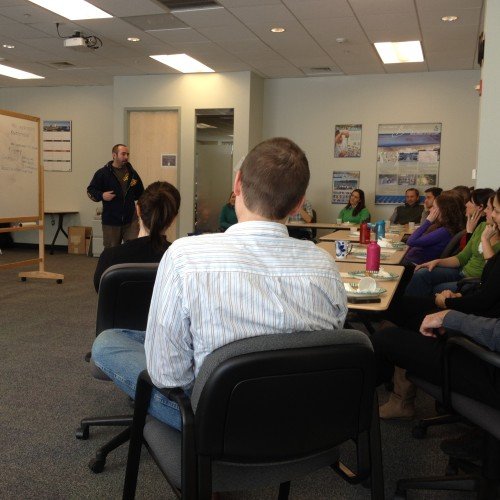
Our approach is to train people to be able to make dynamic risk-assessments of the situations they face, and how to respond to them.
These books explore violence, personal safety and human behavior from different perspectives. Each offers useful insight into how people perceive risk, respond under pressure and make decisions in difficult situations.
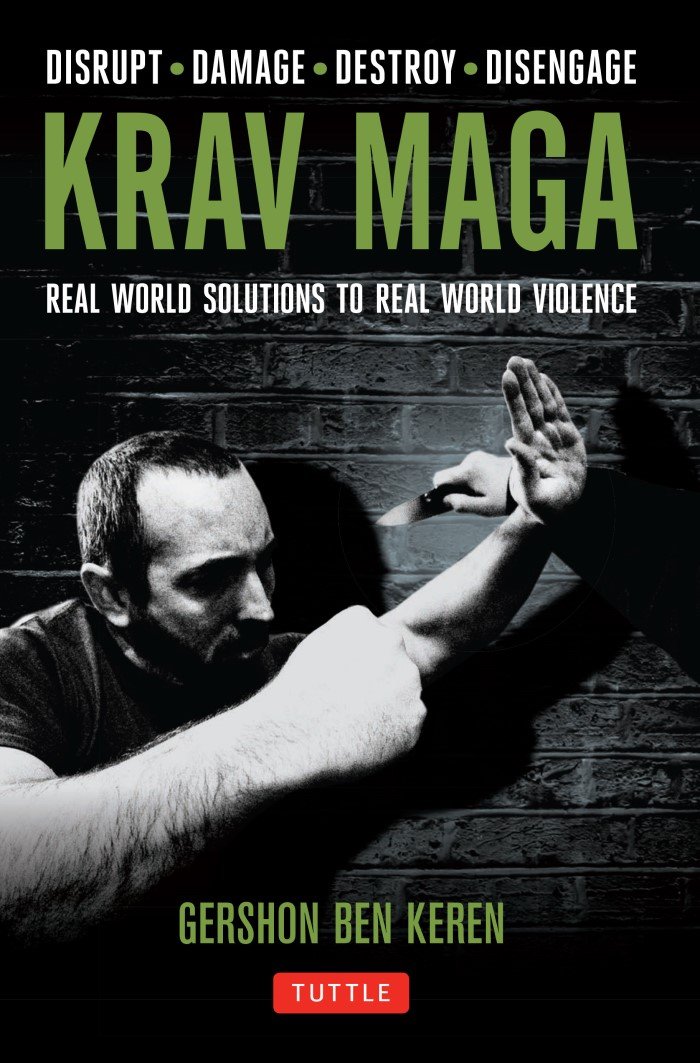
This book offers an introduction into predicting and identifying premeditated violence and aggressions, such as muggings and abductions.
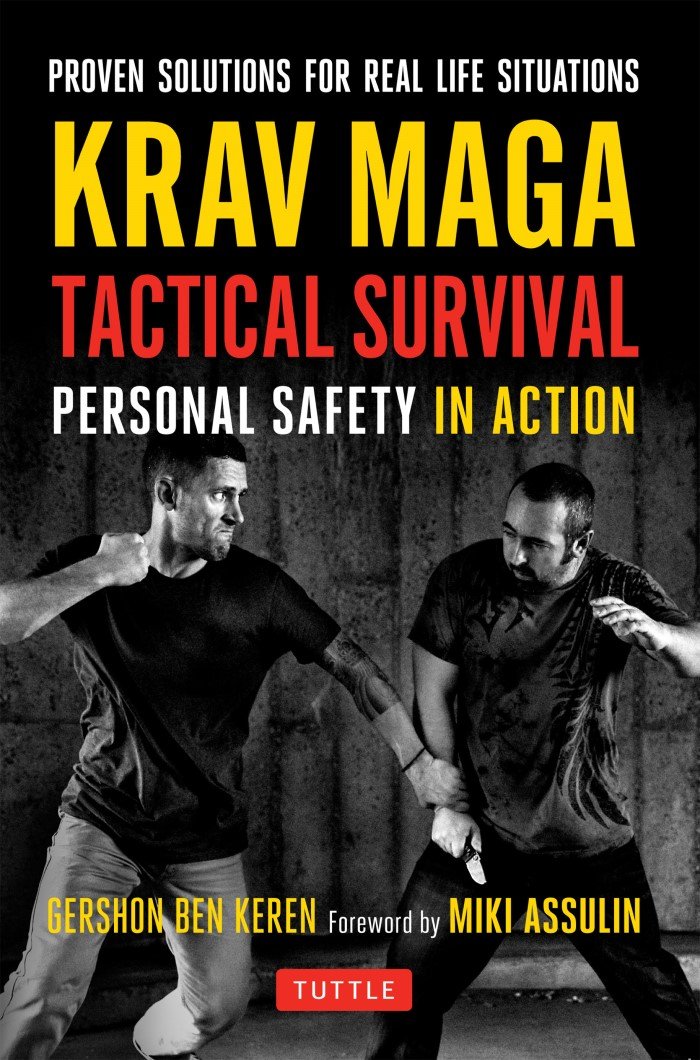
"Tactical Survival" focuses on managing "social violence" i.e., everyday situations that have taken a turn for the worse and require de-escalation.
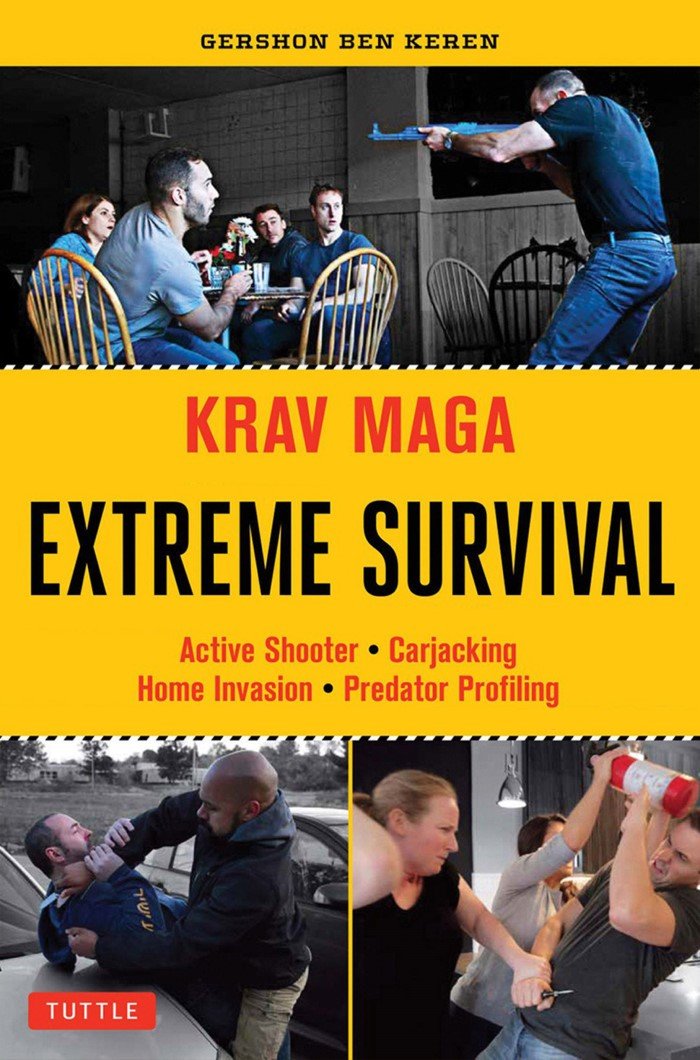
This book looks at three forms of extreme and potentially deadly violence i.e., active shooter incidents, car-jackings and home-invasions.
If you would like to ask a question, discuss a subject covered on the site or get in touch about violence prevention and de-escalation etc., please use the contact page, which can be accessed using the button below.
Contact Us